
The Charleston Oyster Roast is a Lowcountry Tradition
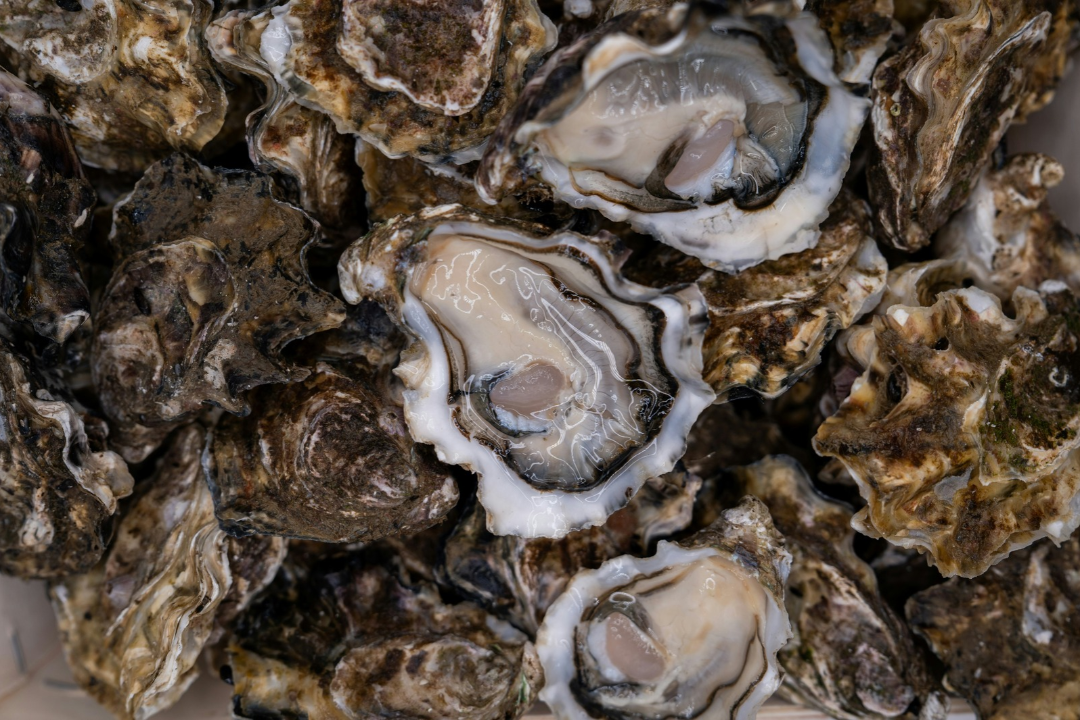
Key Takeaways:
- Charleston's oyster history dates back thousands of years, with the peninsula's southern tip once known as Oyster Point.
- The first recorded large-scale Charleston oyster roast took place on Remley's Point in Mount Pleasant in 1897.
- South Carolina's oyster harvesting season generally runs from October through mid-May, making fall and winter popular times for oyster roasts.
- Oyster reefs support marine life, filter water and help protect Lowcountry shorelines.
- Oyster shell recycling helps restore local reefs, while oyster shells also inspire Lowcountry art, crafts and coastal decor.
When the Lowcountry air finally starts to cool down, oyster roast season starts calling. And like a Lowcountry boil, it's best enjoyed with company.
Friends and family gather around steaming piles of oysters with gloves, oyster knives and maybe a few favorite toppings nearby. It's a casual get-together, a good excuse to get outside and one of those Lowcountry traditions that never seems to get old.
But how did oyster roasts become such a big part of life around Charleston? Turns out, there's a pretty interesting story behind all those shells.
A History Rooted in Our Waters
Oysters have been part of life along the South Carolina coast for thousands of years. Long before European settlers arrived, Indigenous communities harvested oysters for food and put their shells to use in everyday life. The large shell deposits found throughout the region are reminders of just how far back that relationship goes.
When English settlers established Charles Town in 1670, oysters were still plentiful in the surrounding tidal waters. In fact, the southern tip of the peninsula became known as Oyster Point because of the piles of oyster shells found there.
As Charleston grew, oysters became an important part of the local economy. By the 1800s, they were being sold around town and shipped to markets farther inland. The industry continued to grow into the early 20th century, supporting shucking houses, canneries and thousands of workers along the South Carolina coast.
So, yeah, oysters and us go way back.
How the Oyster Roast Became a Lowcountry Tradition
Here's a fun bit of Charleston history: The community oyster roast we know today? Not quite as old as you think.
People here have been harvesting and eating oysters for thousands of years, but historical records don't document a large public gathering centered on roasted oysters in Charleston until 1897.
According to Charleston Magazine, the first recorded large-scale Charleston oyster roast took place on Dec. 13, 1897, when the Grand Lodge of Ancient Masons held a feast on Remley's Point in Mount Pleasant. This gathering came just two months after lodge officers attended an oyster roast in Baltimore. In October 1898, a public oyster event at Chicora Park helped bring the tradition to an even bigger crowd.
The setup was pretty simple. Oysters were spread over heated metal above an open fire, and guests gathered around with gloves and oyster knives, ready to dig in.
The details have changed over the years, but the idea hasn't. Oyster roasts are all about good food, good company and spending a little time together. No fancy setup required.
When Is Oyster Season in Charleston?
Like we said at the jump, when the temperatures dip, oyster cravings rise. It’s almost an instinct for us here in the Lowcountry. During this time, you’ll see ads galore for fresh oysters, southern fried oysters and oyster roasts in Charleston.
The fleeting oyster season is what makes each taste platter all the better.
South Carolina's recreational shellfish harvesting season generally runs from October through mid-May, though dates and approved harvesting areas can change. For the 2026–2027 season, harvesting opened Oct. 1 and is scheduled to close May 15.
Harvesting is limited to approved shellfish grounds, so check the latest SCDNR regulations and closures before heading out.
Why Oysters Matter Beyond the Dinner Table
Oysters are a big part of what makes the Lowcountry's waterways tick. Sure, they're a local favorite on the dinner table, but they do plenty of work beneath the surface, too.
Oyster reefs provide homes and shelter for marine life like shrimp, crabs and fish. They also filter water and help create healthier habitats throughout our tidal creeks and estuaries. Healthy reefs can even stabilize shorelines and reduce erosion by absorbing wave energy.
That's also why oyster shell recycling matters.
Programs like Charleston's collect used shells from residents, events and restaurants and return them to the water, where they can provide a place for young oysters to attach and grow.
But that’s not all! The shell’s influence extends beyond the water's edge. Oyster shells have long found their way into local art, crafts and coastal decor, giving locals and visitors a connection to our waterways.
Find Oysters and More at Saltwater Cowboys on Shem Creek
Whether you're heading to an oyster roast, exploring Charleston's seafood history or settling in for a meal by the water, there's plenty to love about the traditions that make the Lowcountry feel like home. For all your favorite Lowcountry flavors, visit us on Shem Creek. Explore our full menu and prepare to enjoy it all.
And before you head out, swing by our retail shop (or browse online) to pick up our oyster-inspired 2026 Collector's Ornament to bring a little piece of the coast home with you.
Frequently Asked Questions
1. When is oyster roast season in Charleston?
Oyster roasts are traditionally associated with the cooler months, generally fall through early spring. South Carolina's recreational shellfish harvesting season typically runs from October through mid-May, although closures and dates can vary.
2. Where did the Charleston oyster roast tradition begin?
One of the earliest recorded large-scale public oyster roasts in Charleston took place on Remley's Point on Dec. 13, 1897. The tradition grew in popularity after public events introduced oyster roasts to a wider audience.
3. Why are oyster roasts important to Lowcountry culture?
Oyster roasts bring people together around local seafood and a shared outdoor meal. They've become a popular way to celebrate milestones, spend time with friends and enjoy the cooler months along the coast.
4. Can you harvest oysters in Charleston, SC?
Yes. Recreational oyster harvesting is permitted in designated public and state shellfish grounds during the open season. Harvesters need a Saltwater Recreational Fishing License and must follow current regulations and area closures. Check the South Carolina Department of Natural Resources for the latest information.
5. Why should you recycle oyster shells?
Recycled oyster shells provide a surface where young oysters can attach and grow. They help rebuild oyster reefs, which provide habitat for marine life and support healthier coastal ecosystems.